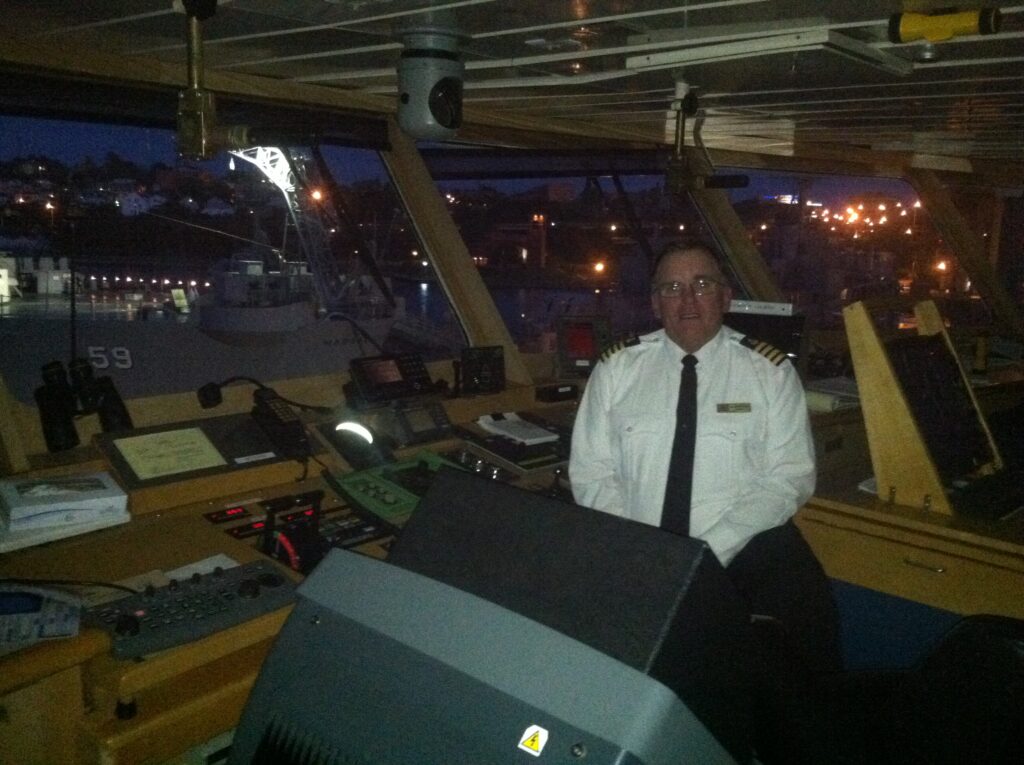

In maritime and transport disputes, facts are rarely disputed in isolation. What often determines the outcome is how those facts are explained and supported. Crew testimonies play a critical role because they provide first-hand accounts of events that may not be fully captured in documents or data records.
When handled correctly, crew testimony can strengthen a legal position. When handled poorly, it can undermine even a strong case. Understanding the real crew testimony impact is therefore essential.
Why Crew Testimony Matters
Crew members are direct witnesses to operational decisions, cargo handling, navigation, and emergency responses. Their accounts help courts understand what happened, why it happened, and whether procedures were followed.
In many cases, physical evidence is limited or open to interpretation. Crew testimony helps connect the dots between events and records, making it a central part of litigation.
Credibility Comes Before Detail
Witness credibility is the first test any testimony faces. Courts assess whether a crew member appears reliable, impartial, and truthful.
Credibility is built through:
- Clear, factual explanations
- Answers limited to personal knowledge
- A willingness to acknowledge uncertainty
- Consistent behavior under questioning
Overstatement or defensiveness can quickly reduce the value of otherwise accurate testimony.
Consistency Is Closely Examined
Statement consistency is critical. Courts compare what a crew member said immediately after an incident with later affidavits, interviews, and oral evidence.
Minor memory gaps are expected, but unexplained contradictions raise doubts. Consistent accounts across time and documents significantly increase crew testimony impact and reduce vulnerability during cross-examination.
Affidavit Evidence Sets the Baseline
Affidavit evidence forms the official record of a crew member’s account. These sworn statements are often referenced throughout the case.
Strong affidavits focus on observable facts, clear timelines, and direct involvement. Once filed, they limit how much a witness can alter their account without damaging credibility.
Cross-Examination Tests Reliability
Cross-examination is where testimony is tested for accuracy and clarity. Lawyers focus on wording, timing, and alignment with records.
Crew members who answer simply and honestly tend to be more persuasive than those who speculate or attempt to justify decisions beyond their role.
Supporting Records Strengthen Testimony
Crew testimony is strongest when supported by logbook entries, voyage data, and a clear chain of custody for cargo or equipment.
When written records confirm crew accounts, courts are more likely to accept those accounts as reliable and objective.
Expert Corroboration Adds Weight
Expert corroboration helps explain whether crew actions were reasonable and consistent with industry standards. When expert analysis aligns with crew testimony, it significantly strengthens the overall case.
Final Perspective
Crew testimonies influence litigation outcomes not by volume or emotion, but by clarity, consistency, and credibility. When supported by affidavits, records, and expert review, they provide courts with the confidence needed to reach fair and well-reasoned decisions.