Maritime accidents are stressful.
You want your crew safe. You want your cargo intact. You want your vessel to operate without disruptions, but accidents happen.
It can feel overwhelming. But here’s some comfort, almost every shipping professional faces the same concerns. Human factors analysis is the tool that helps investigators uncover the answers, without assigning unnecessary blame.
Human Factors Analysis Maritime: What Does It Really Mean?
Human factors analysis looks at how people, machines, and the environment interact during an accident. It isn’t about blaming the crew for mistakes. Instead, it explores:
- How decisions were made under pressure
- Situational awareness on the bridge or in the engine room
- Fatigue and its effect on performance
- Communication breakdowns between officers and crew
By studying these areas, investigators can identify root causes, not just obvious errors. This is key for preventing future accidents.
Decision-Making and Situational Awareness
One of the most common contributors to accidents is crew decision-making.
A delayed response to an alarm, misreading radar data, or misjudging a maneuver can quickly escalate into a serious incident.
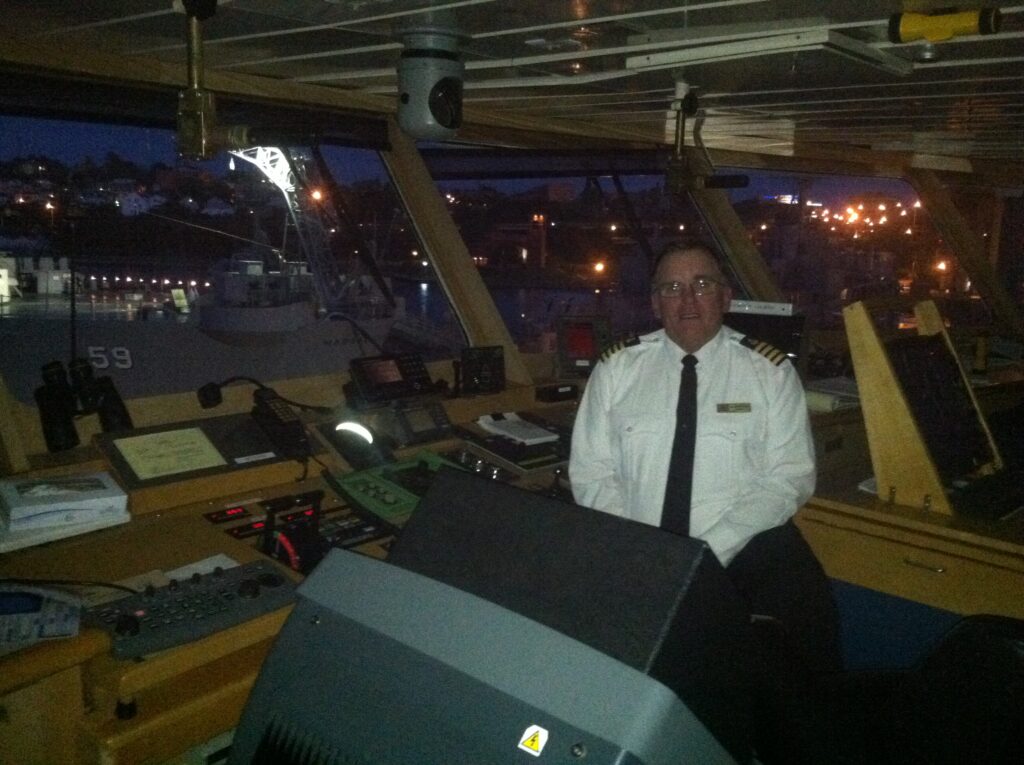
Investigators also examine situational awareness, whether crew members were aware of hazards, weather conditions, or other vessels. Poor situational awareness often links directly to human error, but understanding why it happened is crucial.
Fatigue and Crew Performance
Fatigue is a silent but significant risk at sea. Long shifts, night watches, and high-stress conditions can affect alertness, reaction times, and memory. Human factors analysis looks at:
- Work-rest schedules
- Sleep patterns
- Workload during critical operations
Recognizing fatigue isn’t about blaming crew members, it’s about designing schedules, policies, and support systems that keep everyone alert and safe.
Communication, Teamwork, and Safety Culture
Accidents rarely happen in isolation. Investigators pay close attention to how the crew worked together.
Bridge Resource Management (BRM), how information flows, who makes decisions, and how teamwork operates under pressure, can make a huge difference in outcomes.
Safety culture also matters. Are safety protocols followed consistently? Are concerns raised and addressed? Strong safety culture and teamwork reduce errors and improve overall performance.
Human-Machine Interaction
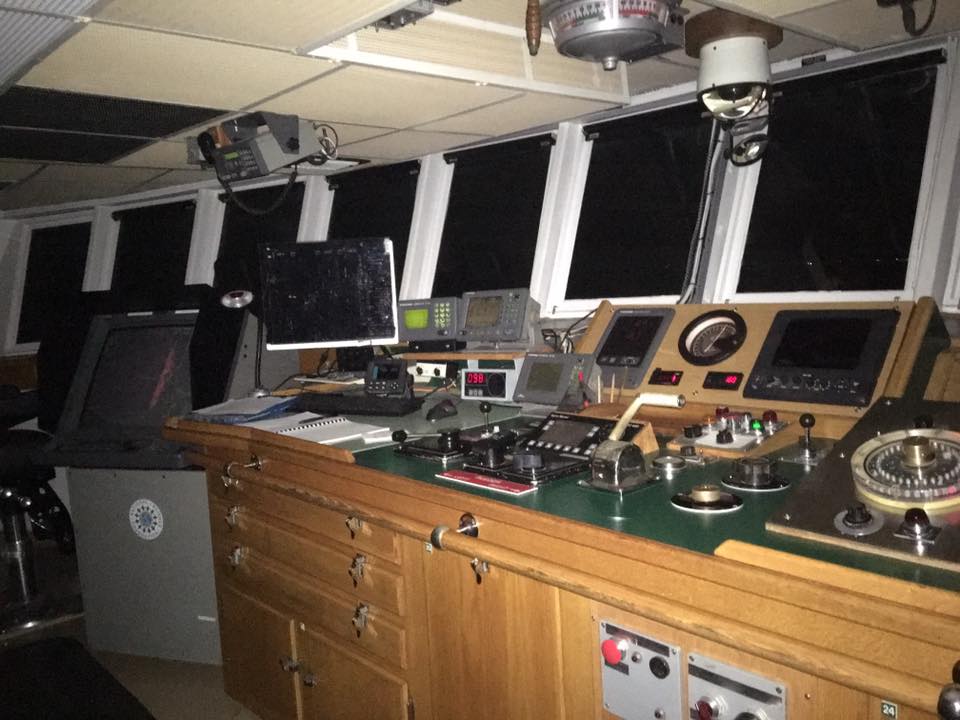
Modern ships are full of technology, and sometimes mistakes happen because the systems are confusing or poorly designed. Investigators examine:
- Automation and navigation systems
- Alarms and alert mechanisms
- Crew understanding of onboard software
This helps identify training needs and opportunities to improve system design, reducing the chance of human error caused by misinterpretation or interface issues.
How Investigators Use Human Factors Analysis
Human factors investigation isn’t guesswork. Experts combine:
- Crew and witness interviews
- Voyage data recorder (VDR) and bridge audio reviews
- Operational procedure audits
- Work-rest schedule and training evaluations
The goal is to reconstruct the sequence of events and understand why they happened. This insight guides shipping companies, regulators, and insurers in preventing similar accidents.
Final Thoughts
Human factors analysis is about insight, not blame. By understanding crew decision-making, fatigue, situational awareness, communication, and human-machine interaction, shipping companies can:
- Improve training programs
- Strengthen safety culture
- Reduce future accident risks
Because in maritime operations, even a small human error can have serious consequences, but understanding human factors makes vessels, crews, and cargo safer.