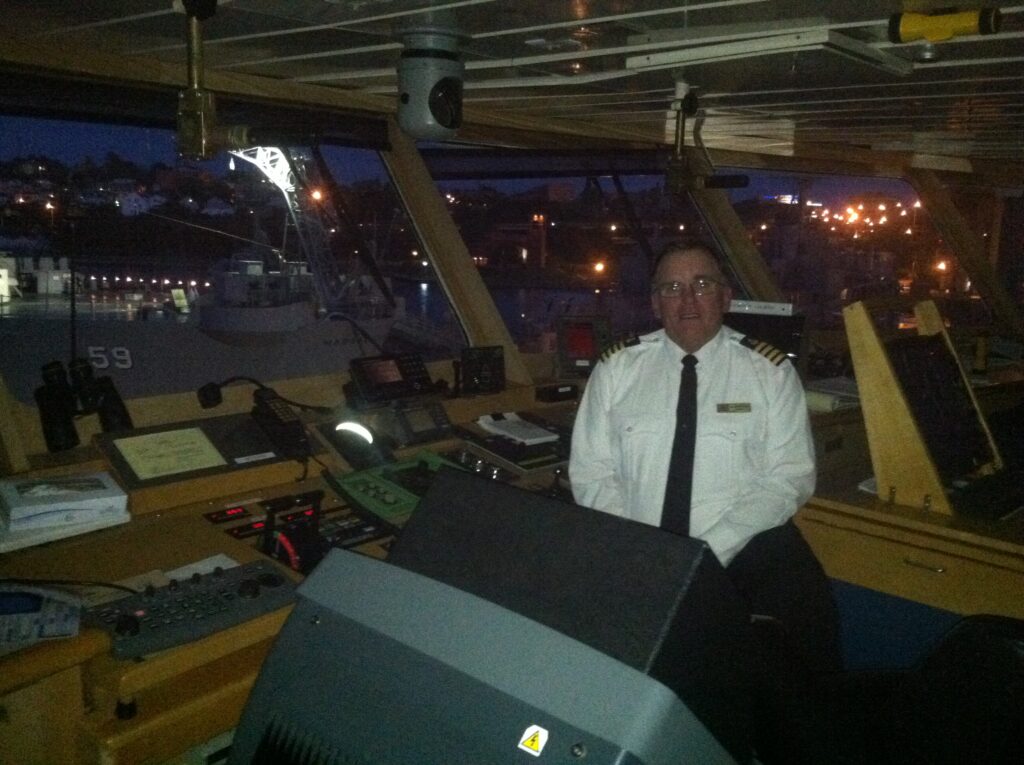
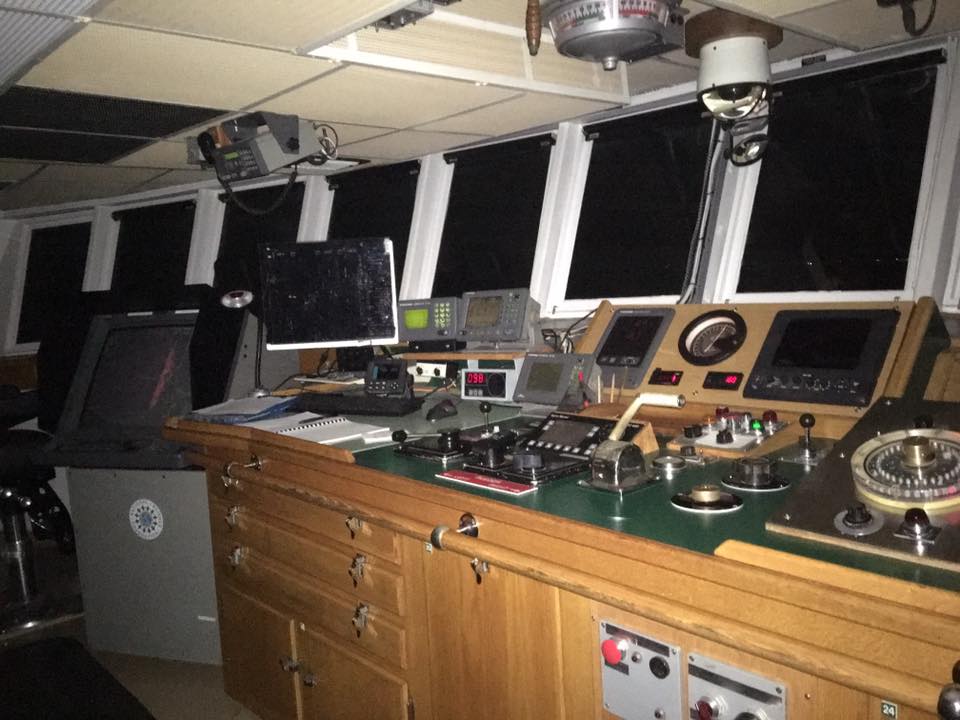
Fatigue at sea is something everyone talks about, but very few take it seriously until something goes wrong. Long watches. Short port stays. Paperwork after midnight. Early morning inspections.
For many seafarers, exhaustion quietly becomes part of the job. But here’s the uncomfortable truth shipowners and operators often overlook:
When fatigue leads to an accident, it is no longer a human issue. It becomes a legal problem. And in vessels operated by multinational crews, that legal risk grows even bigger.
Why Seafarer Fatigue Is No Longer Just a Safety Issue
For years, fatigue was brushed off as unavoidable. Today, courts and investigators see it differently. They ask one clear question:
Was this accident preventable if fatigue had been managed properly?
If the answer is yes, liability follows. That is why seafarer fatigue legal liability now sits at the center of collision cases, groundings, machinery failures, and personal injury claims. Fatigue doesn’t appear suddenly. It builds slowly, and legally, that matters.
Rest Hour Violations: Where Most Cases Begin
Once fatigue is suspected, the first documents reviewed are rest hour records. On paper, many vessels appear compliant. In reality, records often tell a different story.
Authorities compare rest logs with port calls, cargo operations, drills, and maintenance tasks. When timelines don’t match, rest hour violations become difficult to defend. Courts see inaccurate records not as clerical errors, but as signs that fatigue was ignored, or worse, concealed.
STCW Compliance Is More Than Filling Out Forms
This leads directly to STCW compliance. The STCW Convention sets clear limits on working and rest hours. But compliance isn’t about ticking boxes. It’s about whether rest was actually possible.
If a vessel is manned so tightly that officers cannot rest properly, legal responsibility shifts from the crew to the operator. In many cases, fatigue is treated as a foreseeable risk that management failed to control.
Multinational Crews Increase the Legal Complexity
Managing fatigue becomes even more complicated when crews come from different countries. Language barriers may prevent clear communication. Cultural differences may discourage speaking up. Fear of job loss may stop crew members from reporting exhaustion.
But legally, these realities do not reduce responsibility. Courts expect shipowners to manage multinational crew operations in a way that protects safety and compliance, regardless of nationality or rank.
Flag State Approval Is Not a Legal Shield
Many operators rely on flag state inspections as protection. While important, flag state enforcement does not automatically eliminate liability.
If evidence shows fatigue was common onboard, approvals lose their defensive value. Courts look beyond certificates and focus on real working conditions. Compliance must exist in practice, not just on paper.
Fatigue and Collision Liability Are Closely Linked
In vessel collision cases, fatigue often sits quietly behind the scenes. A delayed lookout.
A misjudged course change. And a slow response to radar warnings.
Investigators now recognize crew fatigue as a major contributor to fatigue-related accidents. As a result, collision liability increasingly involves examining crew schedules, watch rotations, and workload distribution.
What once looked like a simple navigational error now becomes a systemic failure.
What Courts Expect From Shipowners Today
Modern courts are clear about expectations. They want to see:
- Realistic manning levels
- Accurate rest hour records
- Work schedules that allow genuine rest
- Active crew fatigue regulations management by shore staff
Where these systems exist, legal exposure is reduced. Where they don’t, fatigue becomes a powerful argument against the operator.
Final Thought
Seafarer fatigue does not announce itself. It grows quietly, shift by shift, port by port. But when an incident happens, its legal impact is loud.
In multinational crew operations, fatigue connects maritime labor compliance, safety management, and liability into one issue that can no longer be ignored.
Because once it is, responsibility rarely stops at the bridge.